

Ottawa’s residential real estate market continued its typical winter slowdown in February 2026, with overall sales remaining below the five-year average of 990 transactions for the month. However, the slowdown is not uniform across property types, revealing a more nuanced market story.
Key Trends Across Ottawa’s Housing Market
- Condo Apartments: Average prices rose month-over-month while inventory eased, hinting at a potential early rebound in a segment that has seen elevated supply since late 2025.
- Townhomes: Experienced the highest turnover of any segment, with sales outperforming typical February levels, despite rising inventory slightly pressuring prices.
- Single-Family Homes: Remained stable, with prices holding steady even as total sales dropped. Lower-priced listings continue to face significant competition.
With the Canadian Real Estate Association (CREA) forecasting gradually strengthening demand throughout 2026, Ottawa is expected to maintain balanced market conditions as we approach a more active spring season.
Residential Market Activity in February 2026
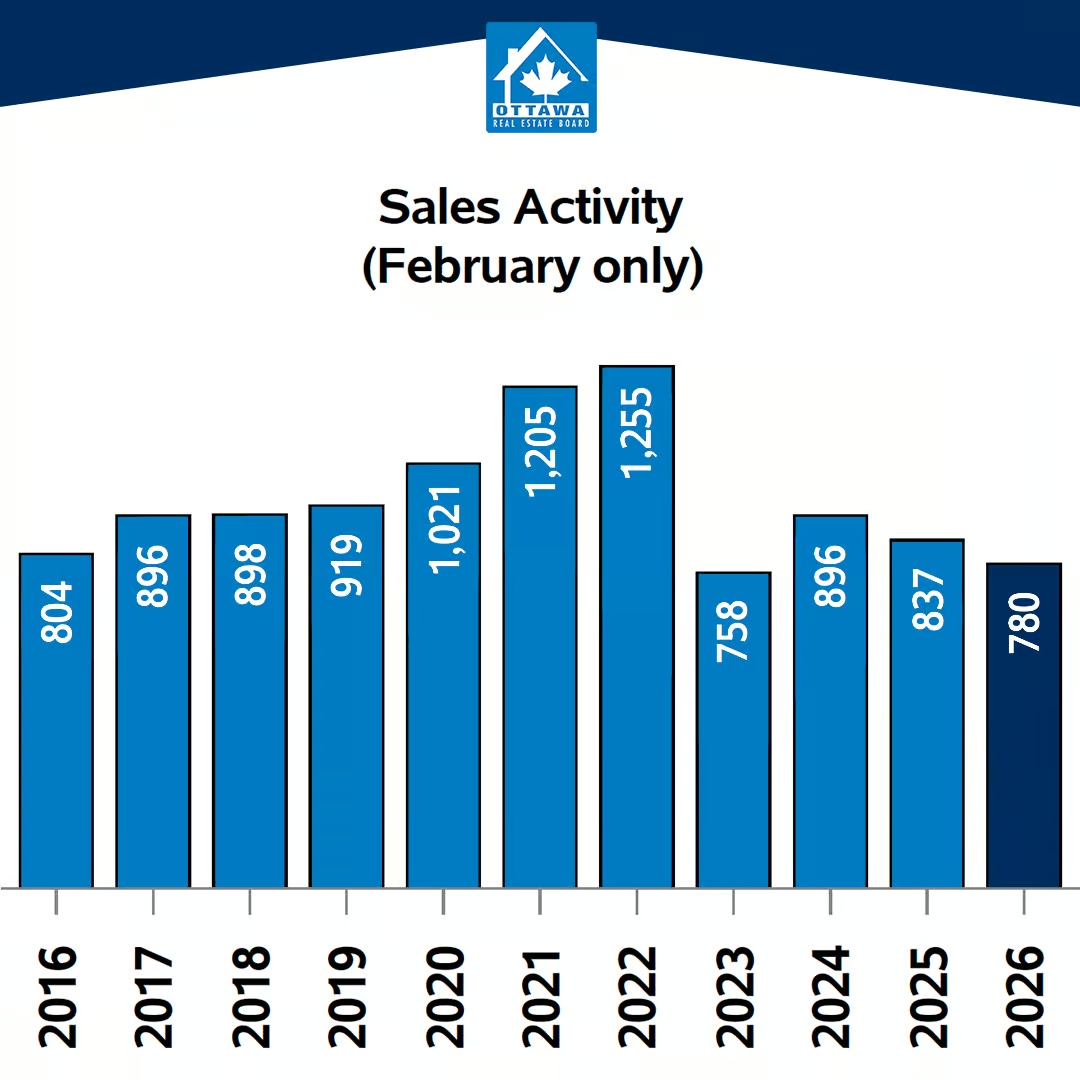
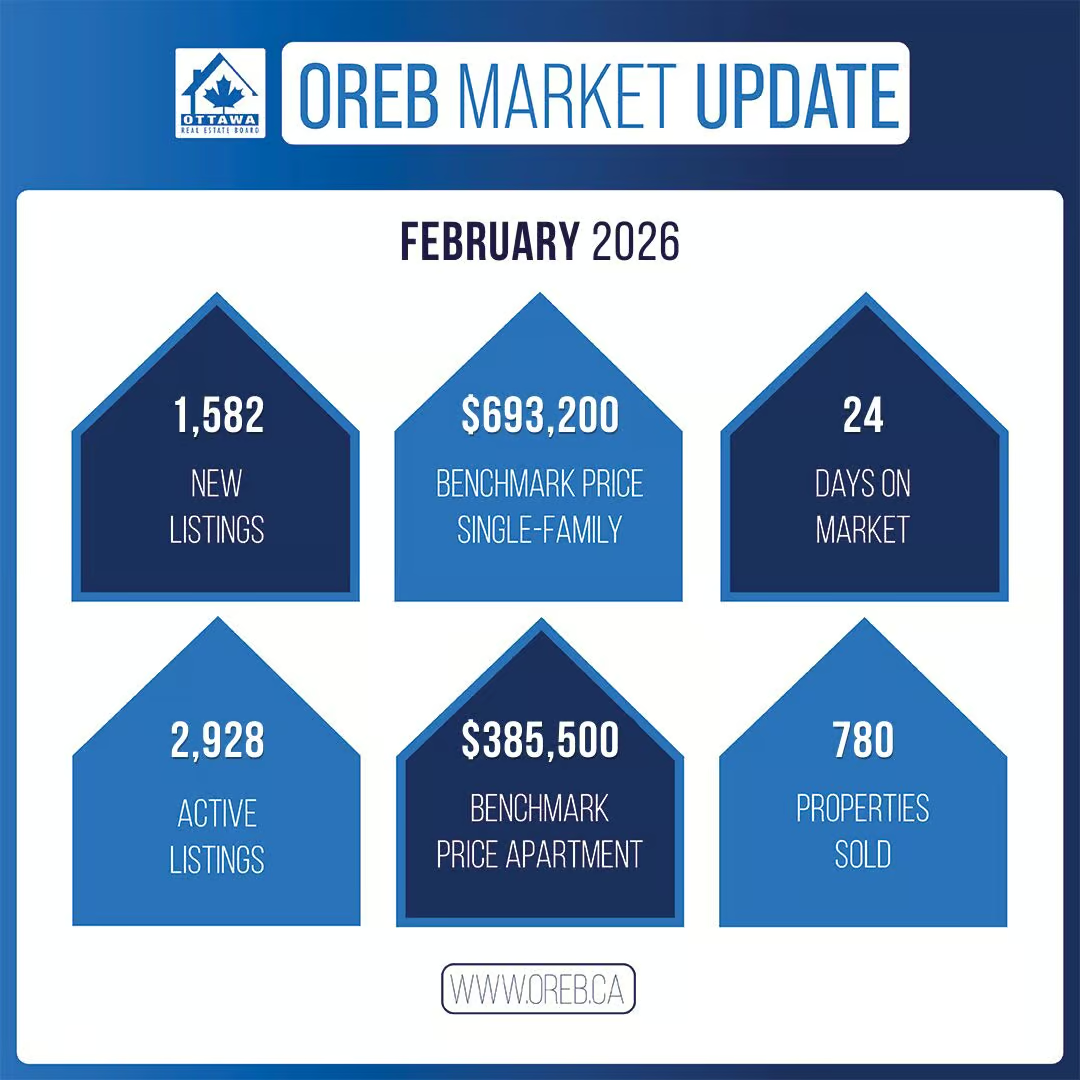
In February, 780 residential properties sold in Ottawa, a 6.8% decline compared to February 2025. While this marked an improvement from January’s 610 transactions, sales remained 21.2% below the five-year February average and 17.8% below the ten-year average—making this winter one of the slowest in a decade.
Buyer demand persists, particularly at lower price points, as elevated inventory and affordability factors extend decision timelines.
Pricing trends:
- Average residential sale price: $662,773 (down 1.0% year-over-year)
- Median residential sale price: $615,450 (down 3.1% year-over-year)
These modest declines reflect a market adjusting to higher supply rather than experiencing broad-based price drops. Seasonal sales activity helped ease months of inventory from 4.4 in January to 3.8 in February, keeping Ottawa’s market balanced.
The MLS® Home Price Index (HPI) shows genuine upward movement in February across composite, single-family, townhouse, and apartment benchmarks compared to January. This indicates that, even during a slower winter, pricing momentum is beginning to firm across housing segments.
Ottawa Housing Supply and Market Balance
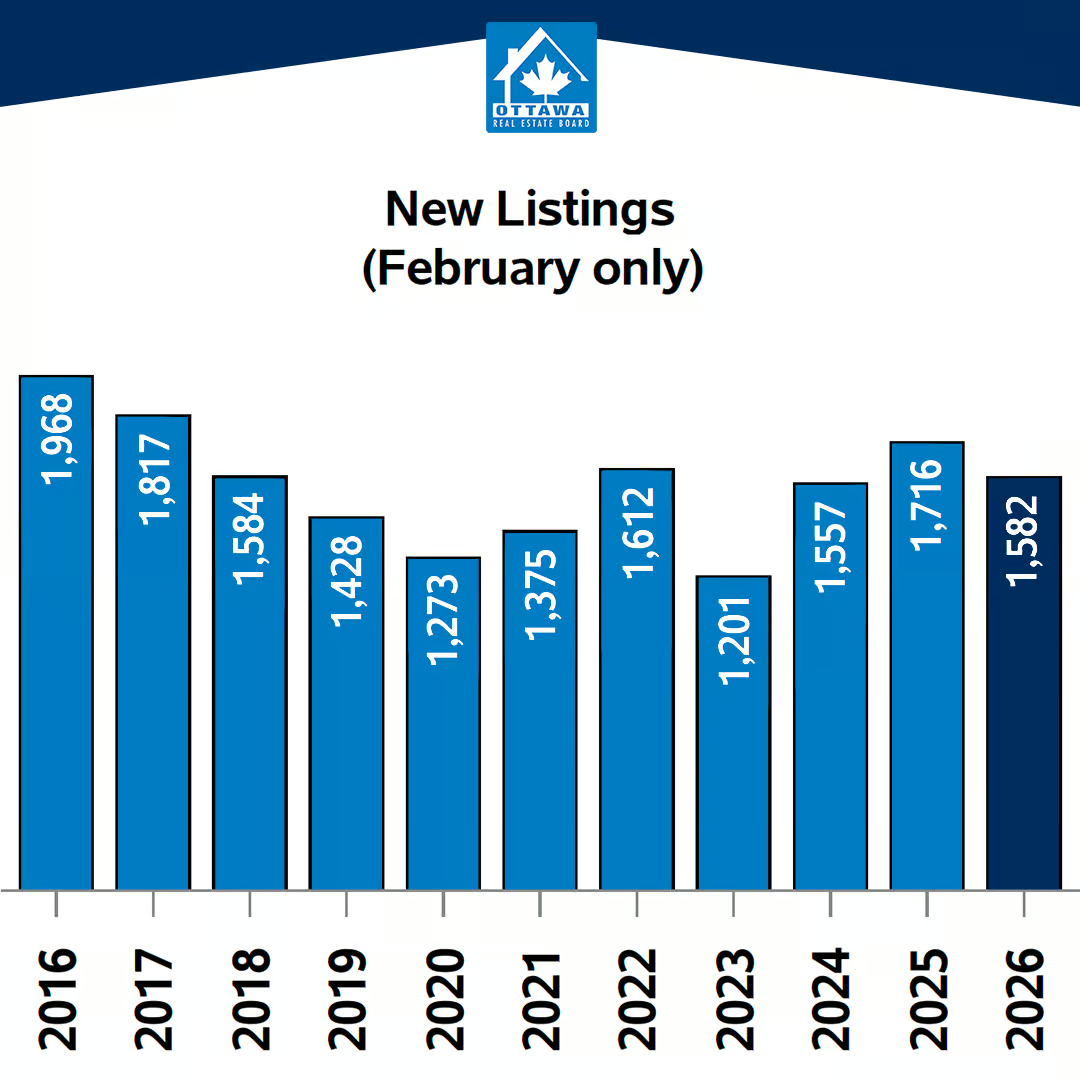
- New Listings: 1,582 in February, down 7.8% from February 2025
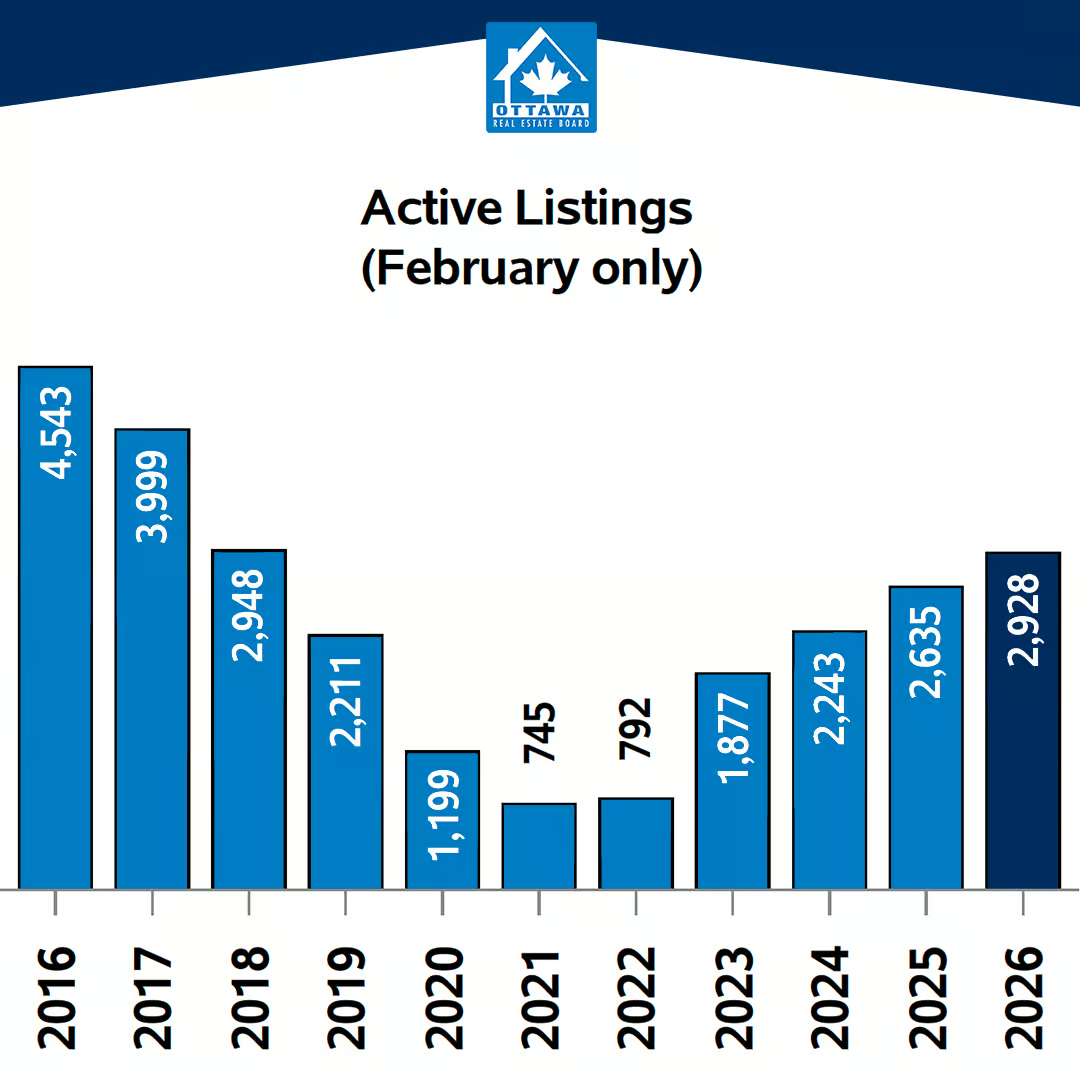
- Active Listings: 2,928 units at month’s end, up 11.1% year-over-year
The higher inventory gives buyers more options and slightly reduces urgency. Yet improving sales activity and rising benchmark prices confirm that demand remains steady.
Months of Inventory by Segment:
- Single-Family Homes: 3.8 months
- Townhomes: 2.7 months
- Condo Apartments: 5.6 months
Looking Ahead
February’s results confirm that Ottawa is in a transitional period. While winter sales were slower than in recent years, the combination of rising month-over-month HPI benchmarks, improved condo absorption, steady townhome turnover, and stable detached home prices indicates that demand remains consistent.
CREA’s 2026 outlook predicts gradually strengthening buyer activity as borrowing costs ease. If momentum continues into spring, Ottawa’s current inventory is well-positioned to support a more active market without triggering rapid price increases seen in past cycles.

Get Started
Get to know Ottawa’s leading real estate agents, and how we make the market work for you.