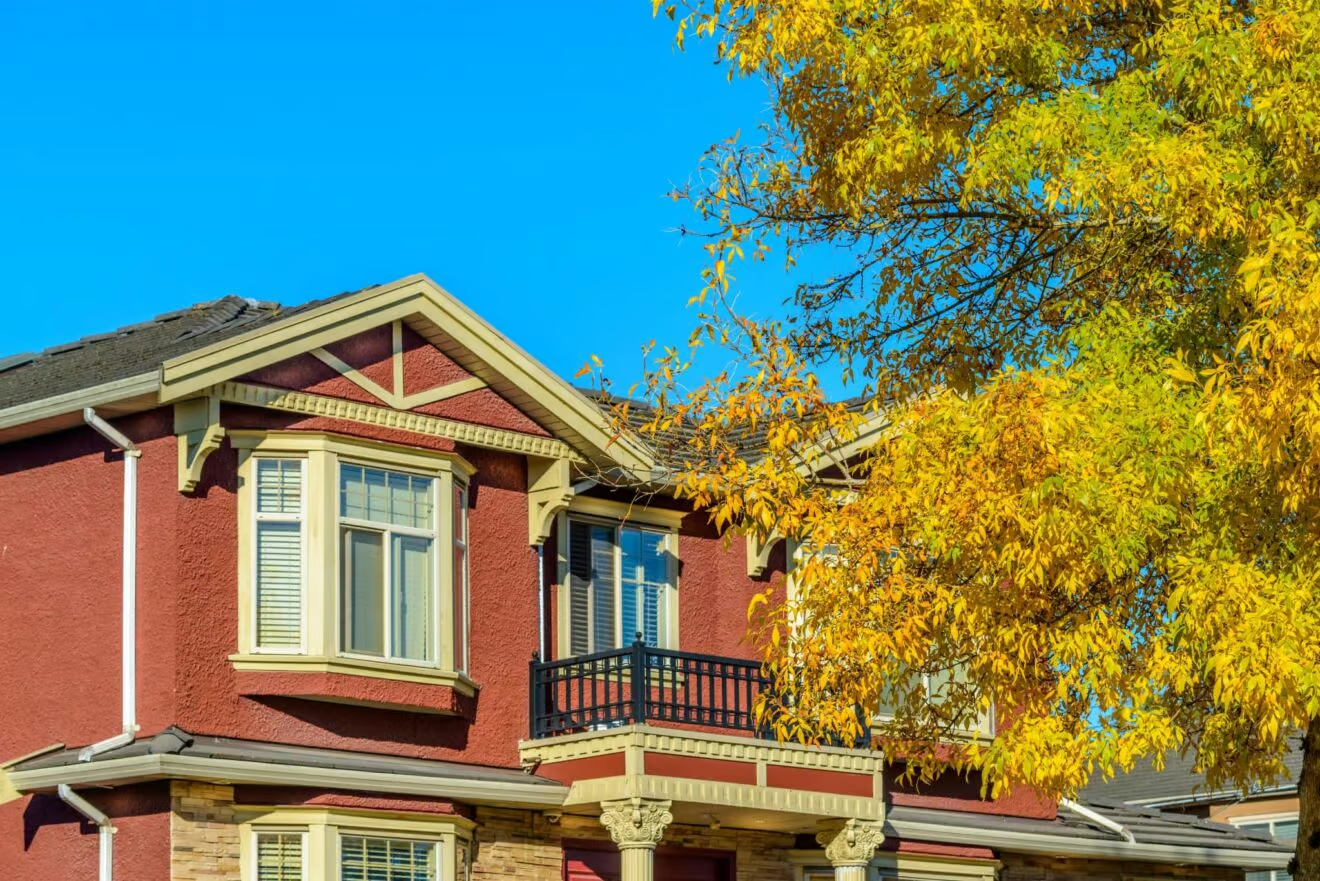
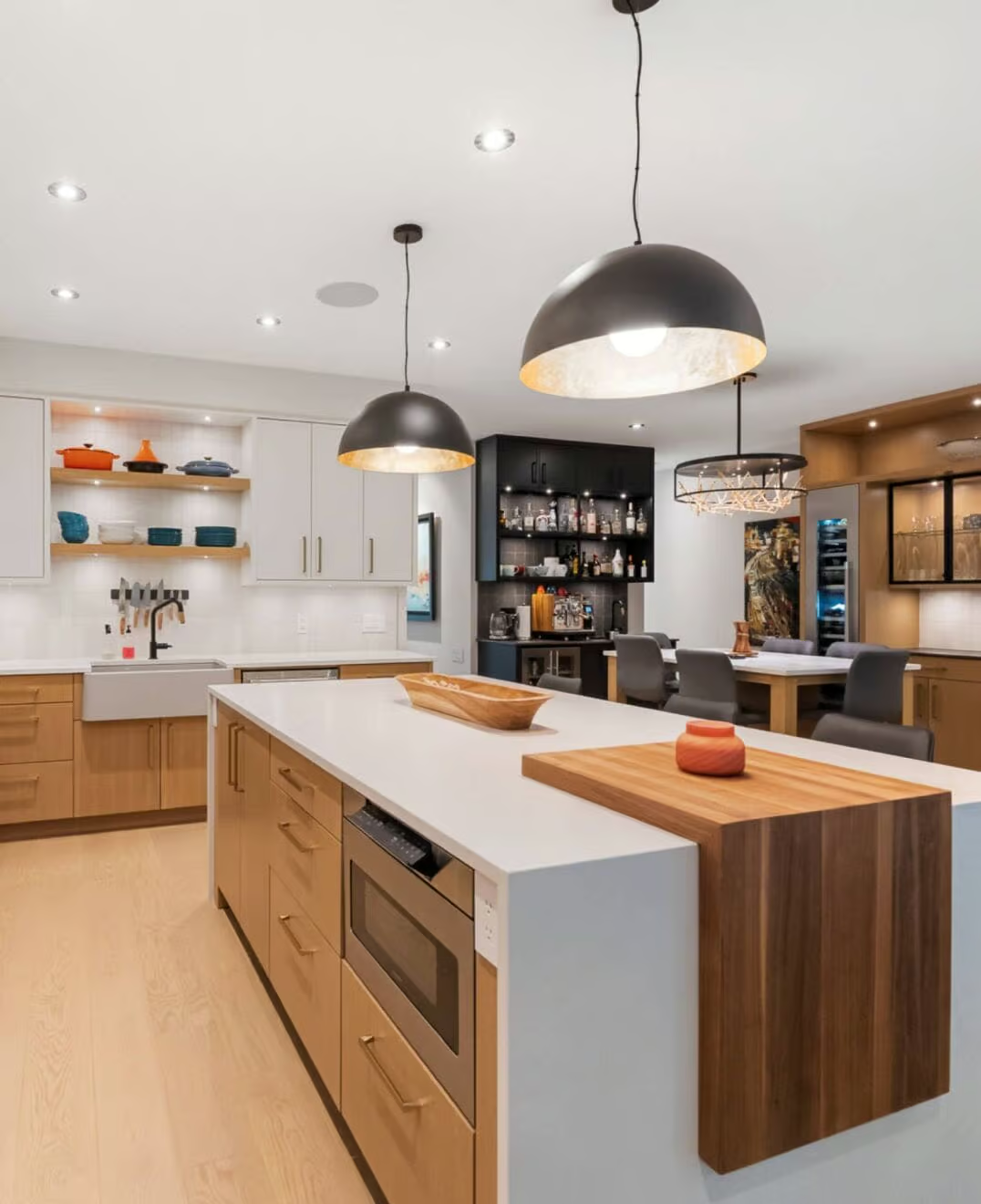


For many homeowners, retirement planning is closely tied to the value of their home. After years of mortgage payments, renovations, maintenance and rising property values, a home can become one of the largest assets a person owns.
That is why more homeowners are exploring how to fund their retirement by downsizing.
Downsizing does not necessarily mean moving into a tiny condo or giving up the lifestyle you enjoy. It simply means choosing a home that better matches your current needs and financial goals.
The right move could help reduce monthly expenses, free up equity, simplify your responsibilities and create more flexibility for the next stage of your life. However, the financial benefits depend on much more than the selling price of your current home.
Your Home May Be a Major Part of Your Retirement Plan
Many long time Ottawa homeowners purchased their properties decades ago and have built considerable equity. Some have paid off their mortgages entirely while others have only a relatively small balance remaining.
Selling a larger home and purchasing a less expensive property can potentially unlock a portion of that equity.
For example, someone who sells a detached home and moves into a smaller bungalow, townhouse, apartment style condo or retirement community may be able to invest the difference or use it to support their retirement lifestyle.
That money could help:
- Supplement retirement income
- Pay off remaining debt
- Cover travel and recreational expenses
- Assist children or grandchildren
- Build an emergency fund
- Prepare for future health or care needs
The important word is potentially. The amount you actually free up will depend on the cost of your next home and all the expenses associated with selling, buying and moving.
Need more advice on downsizing your home? Read these blogs next.
- Will Downsizing Your Home Save You Money?
- Downsizing for Retirement in Ottawa
- 10 Things To Think About Before Downsizing
The Benefits of Downsizing in Retirement
Unlocking equity is only one of the potential benefits of downsizing for retirement. A smaller or more suitable home may also reduce the ongoing cost and physical effort of homeownership.
A large property can be expensive to heat, cool, repair, insure and maintain. There may also be high costs for landscaping, snow removal, roof replacement, windows, exterior repairs and other major projects.
Moving into a more manageable property could reduce some of these expenses. It may also eliminate the need to regularly climb stairs, maintain a large yard or maintain rooms that are rarely used.
For some homeowners, downsizing provides more freedom. They can travel without worrying as much about the house, spend less time on maintenance and live closer to family, recreation, medical services or everyday amenities.
A successful downsizing move is not simply about owning less. It is about creating a lifestyle that feels easier and more sustainable.
Calculate What You Will Actually Walk Away With
One of the most common mistakes homeowners make is subtracting the price of their next home from the expected selling price of their current property and assuming the difference is available for retirement.
Unfortunately the calculation is not quite that simple.
When determining how much equity you may be able to access, it’s important to consider:
- Your remaining mortgage or secured debt
- Real estate fees
- Legal fees
- Moving expenses
- Land transfer tax on the next purchase
- Repairs or improvements before selling
- Renovations or furnishings for the new home
- Mortgage penalties, if applicable
- Condo fees or other recurring expenses
You should also leave room for unexpected costs. A move that looks very profitable on paper may produce less available cash once every expense has been included.
Before making a decision, it helps to obtain a realistic market evaluation of your current home and research what suitable replacement properties are actually selling for.
How to Downsize Your Home Without Regretting It
Understanding how to downsize your home involves more than reviewing space and square footage. Your new property should support both your present lifestyle and the way your needs may change over time.
Consider whether you need:
- Main floor living
- Fewer stairs
- An elevator
- Accessible entrances and bathrooms
- Space for visiting family
- Storage for seasonal belongings
- Parking
- Outdoor space
- Proximity to transit, shopping and health care
It is also important to think about how long you expect to remain in the property. A stylish multi level townhouse may work well today, but it may not be practical ten years from now.
Similarly, a condo may reduce exterior maintenance but the monthly fees need to fit comfortably within your retirement budget. Review what those fees include, the financial health of the condominium and whether major repairs or special assessments may be coming.
The best downsizing property is not always the least expensive option. It is the one that balances all of your needs including affordability, comfort, location and long term practicality.
Plan the Move Before You Have To
Downsizing is usually easier when it is a proactive decision rather than a response to a health concern, financial pressure or sudden life change.
Planning early gives you more time to prepare your home, organize your belongings, research neighbourhoods and wait for the right property. It also gives you more control over the timing of the sale and purchase.
Many homeowners underestimate the emotional side of leaving a longtime family home. Sorting through decades of belongings and memories can take time. Starting early allows you to work gradually rather than trying to complete everything in a few stressful weeks.
For those considering downsizing, it is worth exploring several types of properties and communities before making a final decision. A bungalow in Orléans, a condo closer to downtown or a smaller home near family may each provide a very different lifestyle and financial outcome.
Want to get the best results possible from your home sale? Explore these blogs for more advice.
- Why Sell Your House With Pilon Group?
- When Is the Best Time to Sell a House?
- How to Sell Your Ottawa House Fast
Is Downsizing the Right Retirement Strategy for You?
Downsizing can be a powerful way to improve cash flow and unlock the value built into your home but it is not automatically the right choice for everyone.
Some homeowners discover that suitable replacement properties cost more than expected. Others may prefer to remain in their current home and explore different financial or maintenance solutions. The key is to understand the complete picture before making a move.
Learning how to fund your retirement by downsizing begins with knowing the realistic value of your current property, identifying what your next home will cost and calculating how the move will affect both your finances and your lifestyle.
With careful planning, downsizing can be much more than selling a larger house. It can be an opportunity to simplify your life, reduce financial pressure and create greater freedom throughout retirement.
Have questions about downsizing in Ottawa? Reach out to our team anytime, we’re here to help! Call 613.909.8100 or reach us by email at info@PilonGroup.com.

Get Started
Get to know Ottawa’s leading real estate agents, and how we make the market work for you.