
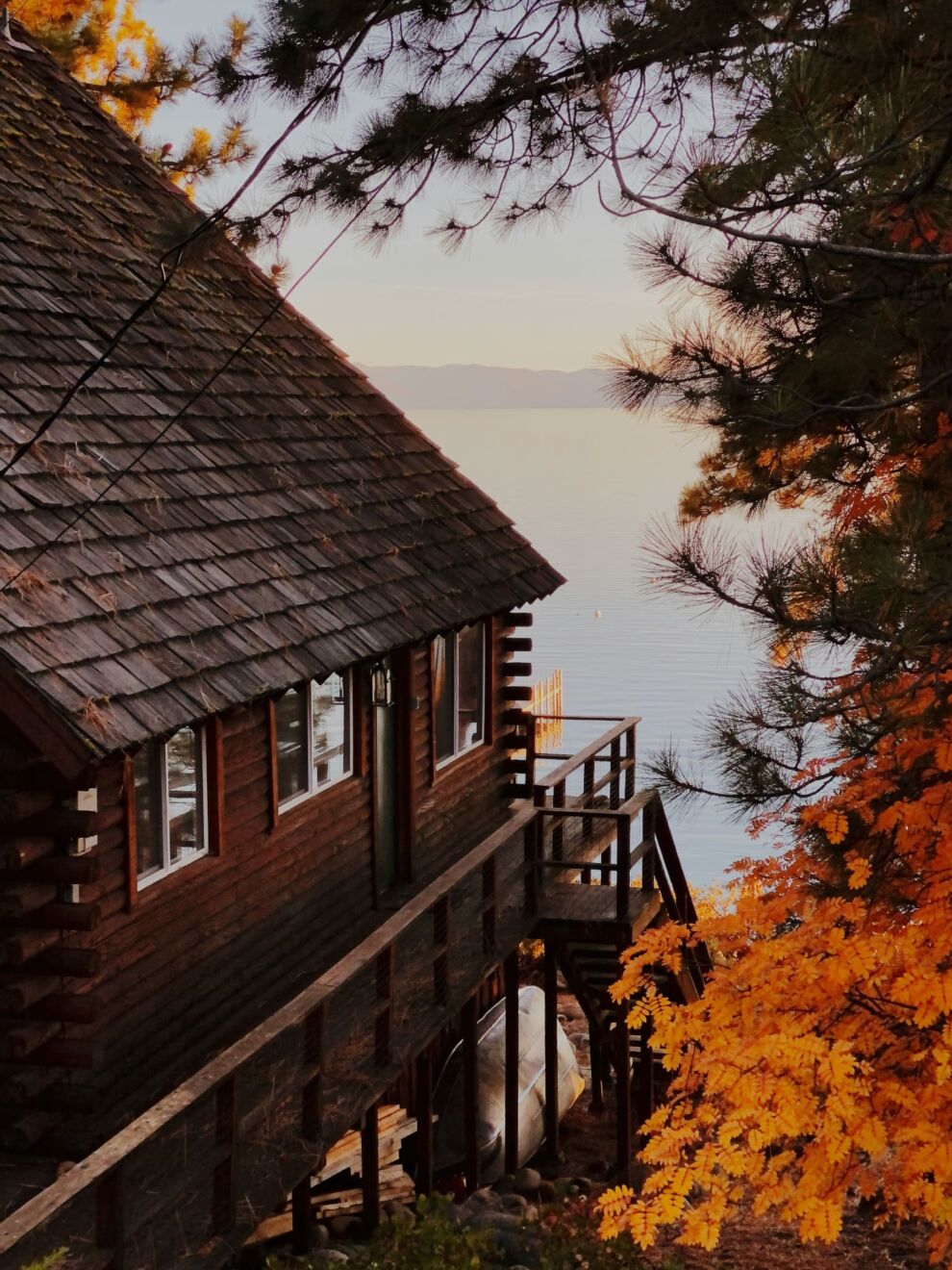
For many people, buying a cottage is something they start thinking about in the spring. The weather gets warmer, summer plans begin to take shape and weekends at the lake start sounding pretty appealing.
But if you’re serious about buying recreational property, fall may actually be one of the best times to buy a cottage.
As summer winds down, the cottage market can shift. Some properties that have been listed for a while may offer more negotiating room, while new listings can also come to market as owners finish enjoying one last season and decide it’s time to sell.
That can give fall buyers a useful mix of fresh inventory, potentially more motivated sellers and less competition than they may have faced earlier in the year.
There May Be Better Buying Opportunities
Cottage markets are often seasonal. Spring and early summer are popular times to list because properties show well and buyers are already thinking about summer.
By fall, sellers may have different motivations. Some have waited until the end of the season to sell. Others may decide they don’t want to carry the cost and responsibility of the cottage through another winter.
That can create opportunities for buyers.
Taxes, insurance, utilities, maintenance and winterization all add up, so some sellers may become more flexible on price or terms as the season ends.
That doesn’t mean every cottage will be discounted. Desirable waterfront properties can still attract strong interest. But depending on the property and the seller’s situation, fall can provide negotiating opportunities that may not have existed earlier in the year.
So, when is the best time to buy a cottage? There’s no universal answer but fall can offer a strong combination of inventory, reduced competition and motivated sellers.
You Get to See the Property Differently
A cottage can look pretty spectacular in July. Blue skies, warm water and green trees have a way of making buyers overlook some of the practical details.
Fall can be a little more revealing.
How does the road look after heavy rain? Is the property well drained? How close are the neighbours once the foliage starts disappearing? Is the cottage properly insulated if you hope to use it outside the summer months?
You can also get a better understanding of what is involved in preparing the property for winter. Depending on the cottage, that could include shutting off the water, draining plumbing, removing docks, storing boats and outdoor furniture or arranging snow removal.
These aren’t necessarily reasons not to buy. They simply help you understand what cottage ownership actually involves.
Searching for more investor-focused resources? Check out these related blogs next!
- 5 Things to Know Before Buying a Second Property
- The Best Neighbourhoods in Ottawa for Real Estate Investment
- How to Start Investing in Real Estate in Canada
- How to Calculate ROI on Real Estate
Where to Buy a Cottage Near Ottawa
One of the great things about living in Ottawa is the number of cottage areas within a relatively easy drive.
Mississippi Lake, near Carleton Place, is a popular choice for buyers who want waterfront living without being too far from the city. Its proximity to Ottawa can make it practical for weekend trips and even frequent day visits.
Big Rideau Lake is another well-known destination. Part of the Rideau Canal system, it offers excellent boating and access to a much larger network of waterways. Buyers looking for a traditional cottage experience with plenty of recreational opportunities often consider this area.
Otter Lake, near Smiths Falls, is another option worth exploring, particularly for buyers looking for a quieter lake environment.
There are also numerous cottage communities around Perth, Westport, Calabogie and the Rideau Lakes region. The right location depends heavily on how you plan to use the property. A 60-minute drive may be perfect if you want to visit every weekend while someone planning longer stays may be comfortable travelling farther.
Look Beyond the Cottage Itself
Buying waterfront property is different from buying a house in an Ottawa subdivision.
The building is only one part of the equation.
Buyers should understand the water source, septic system, shoreline, road access and whether the road is municipally maintained or private. You’ll also want to investigate internet and cell service if you plan to work remotely.
If the property is intended for four-season use, find out whether it was actually built for it. Heating, insulation, plumbing and winter road access all become much more important.
A proper inspection and appropriate due diligence can be especially valuable with older cottages, where additions and renovations may have taken place over many years.
Do Cottages Hold Value Like Homes?
Cottages can absolutely appreciate over the long term, particularly desirable waterfront properties within a reasonable distance of major population centres. However, recreational real estate shouldn’t automatically be viewed the same way as a primary residence.
Values can fluctuate based on location, waterfront quality, accessibility, property condition, interest rates and overall demand for recreational properties.
For most buyers, the better question isn’t simply, “Do cottages hold value like homes?” It’s whether the property makes sense financially and fits the lifestyle you want.
Thinking about investing in real estate? Check out these related readings.
- Essential Tips For a Successful Investment
- How to Become a Landlord in Ontario
- Who Pays Condo Fees When Renting a Condo in Ontario?
Should I Buy a Cottage?
If you’ve been thinking about cottage ownership, fall can be an excellent time to start looking.
You may find fresh listings from owners who waited until the end of summer to sell, along with properties that have been on the market longer and may offer more negotiating room.
Just as importantly, fall gives you a chance to evaluate a cottage under more realistic conditions and understand what ownership will look like outside the warmest months of the year.
The key is finding the right property at the right price and understanding exactly what you’re buying.
A cottage should be somewhere you look forward to escaping to, not something that becomes a financial or maintenance headache. With the right planning and proper due diligence, buying in the fall could put you in a great position to enjoy your own place at the lake when next summer arrives.
Your real estate goals deserve expert guidance. Let’s chat. Call 613.909.8100 or reach us by email at info@pilongroup.com.

Get Started
Get to know Ottawa’s leading real estate agents, and how we make the market work for you.