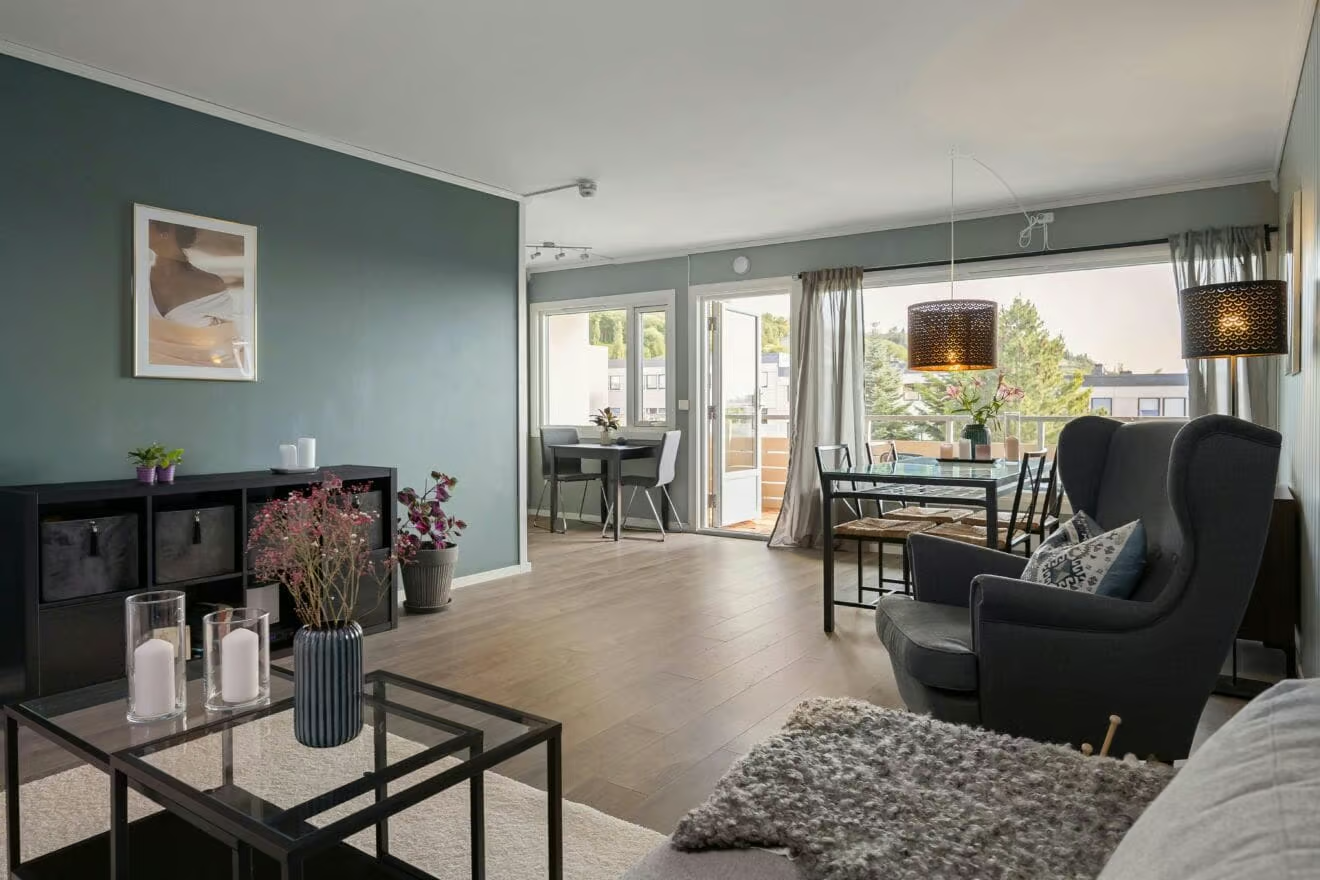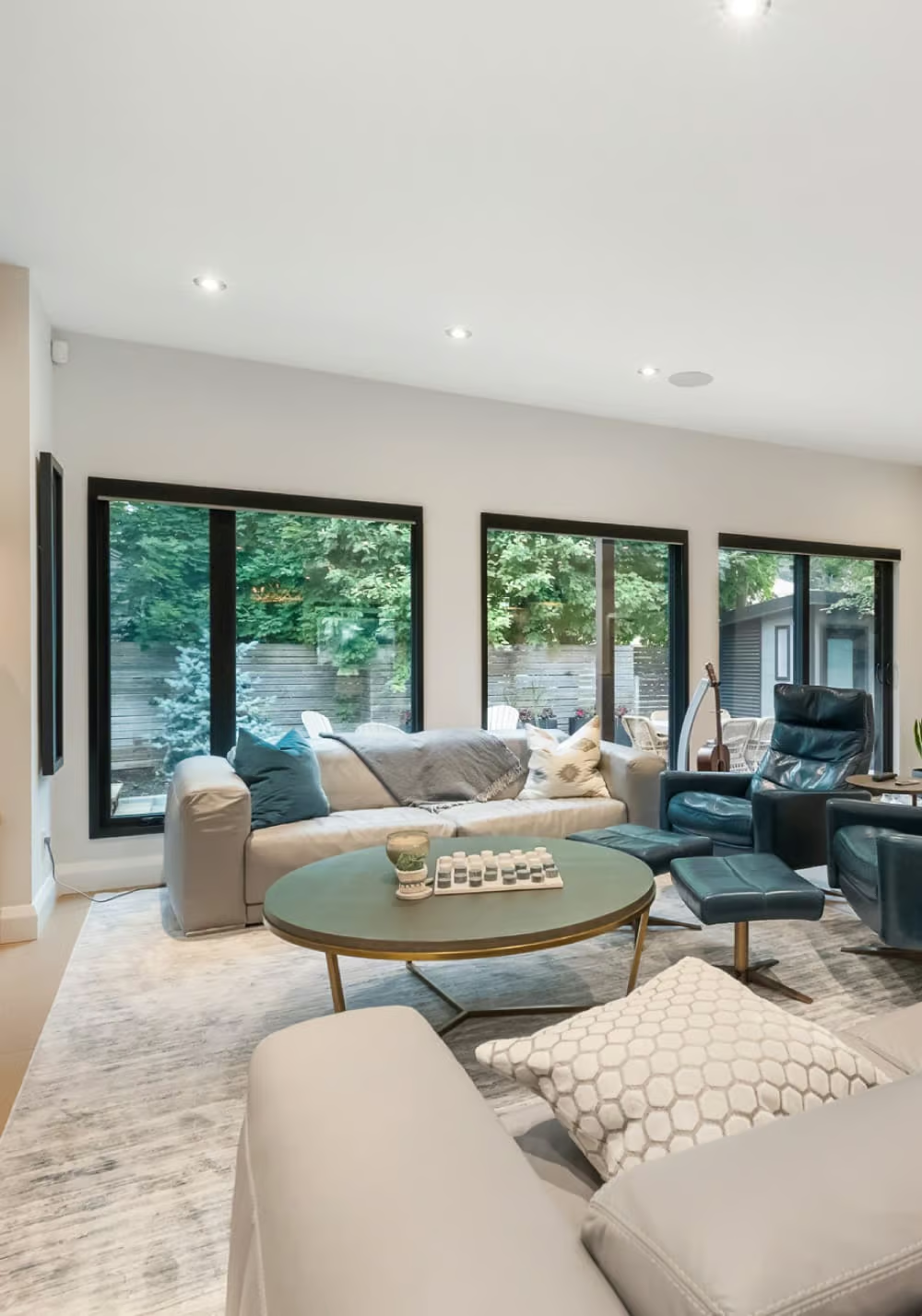
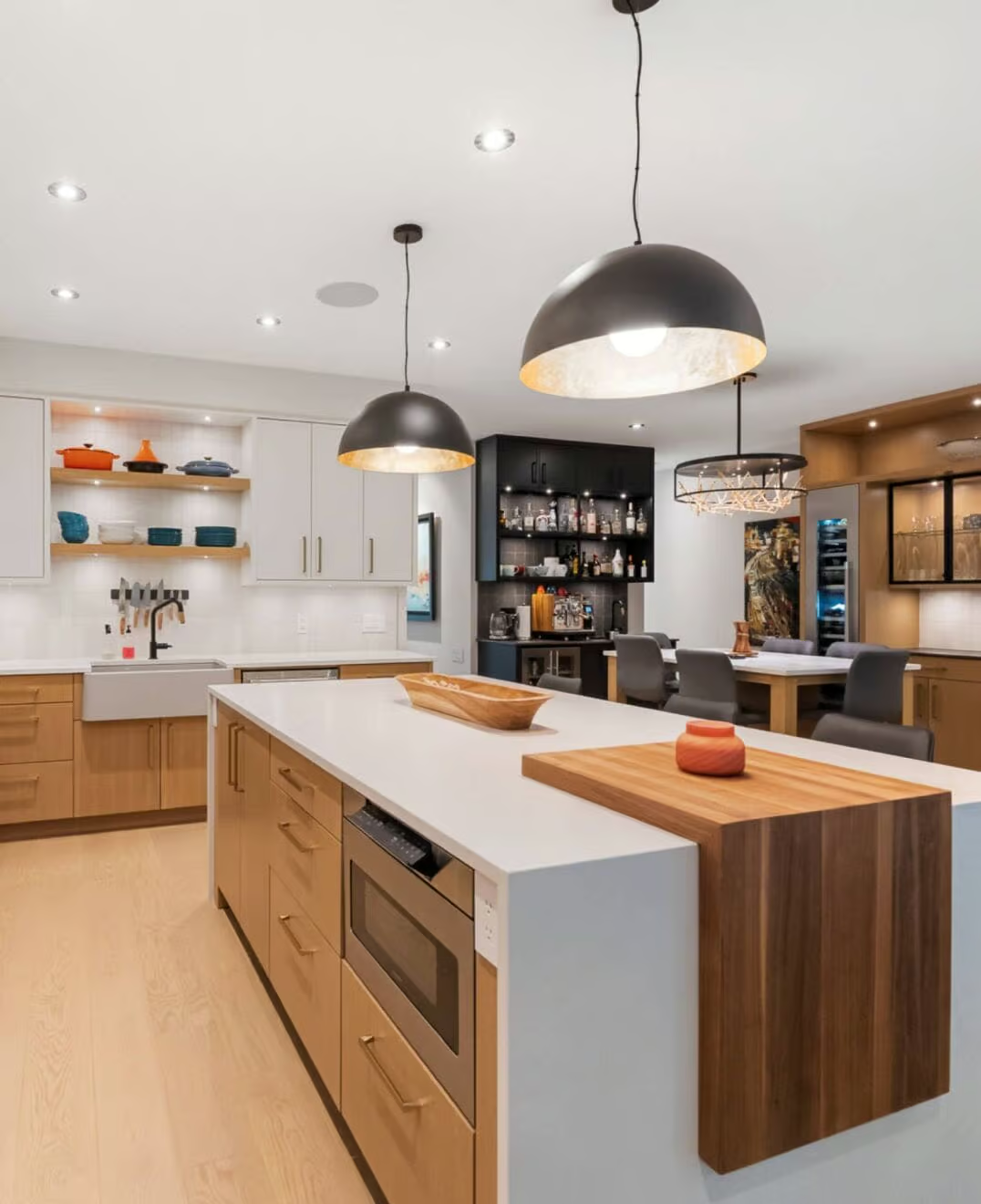

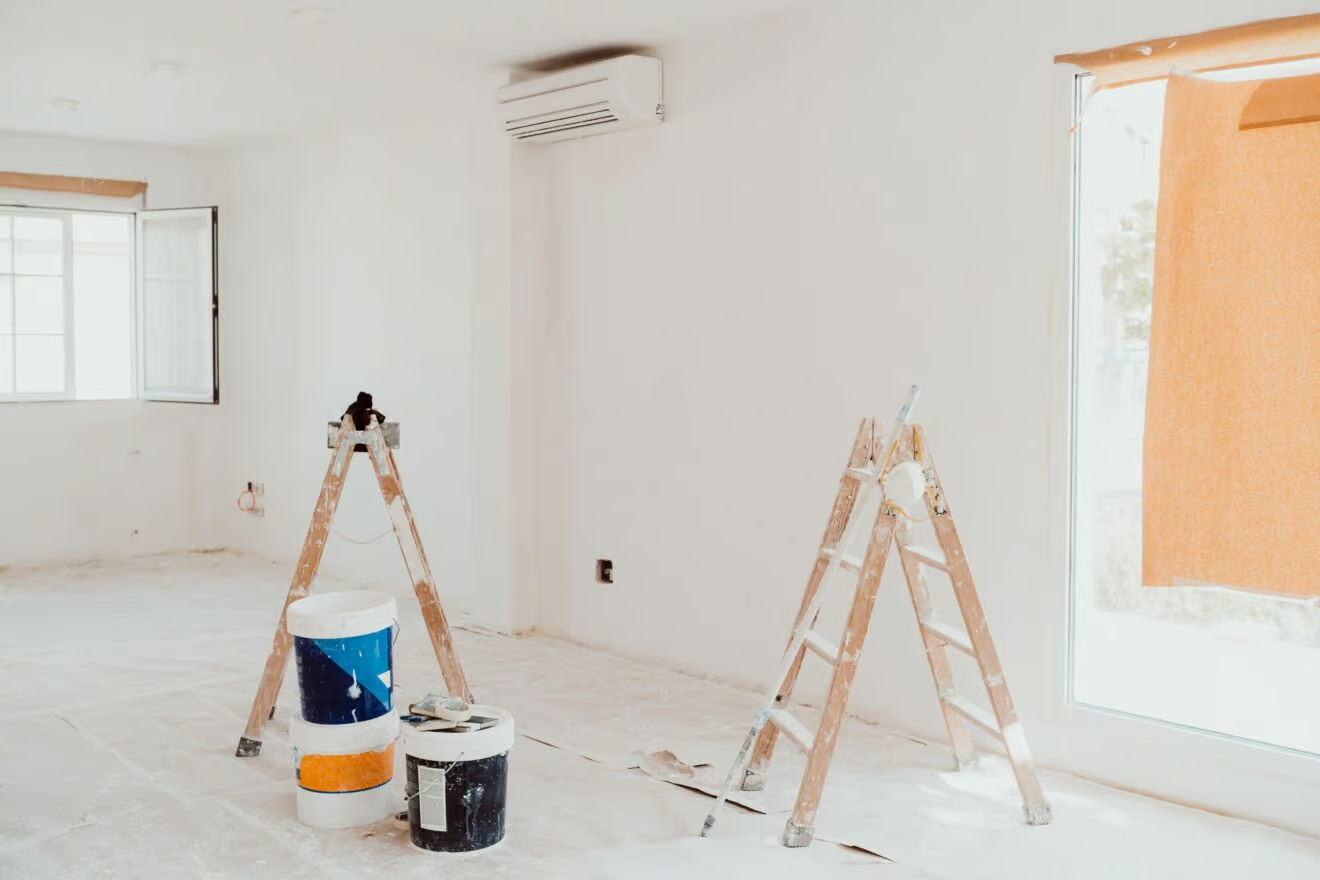
At some point, many homeowners ask themselves the same question: should I renovate or buy a new house?
Maybe your home feels too small. Maybe the kitchen is dated. Maybe your family has changed, your lifestyle has changed or the house simply does not function the way it once did. When that happens, it is natural to wonder whether you should invest in improving your current home or start fresh somewhere else.
It is the classic real estate question: should I love it or list it? And while it may sound simple, the right answer depends on your finances, your lifestyle, your neighbourhood and the true potential of your current property.
Before making a decision, it is important to look at both options clearly.
Start With What Is Not Working
Before deciding whether to renovate or move, start by identifying the real problem.
- Is your home too small? Is the layout no longer practical?
- Do you need more bedrooms, more storage, a larger yard or a better work-from-home setup?
- Or are you mainly frustrated with finishes that could be updated?
This matters because some problems can be solved with a renovation while others are much harder to fix.
For example, replacing flooring, updating a kitchen, finishing a basement or improving curb appeal can dramatically change how a home feels. But if the lot is too small, the location no longer works, the commute is frustrating or the layout has major limitations, renovation may only be a temporary fix.
A beautiful kitchen does not solve the problem if you still need another bedroom.
Thinking about buying a new house? Check out these related blog posts next!
- How to Find the Right Ottawa Neighbourhood For You
- How Flexible Are Home Sellers on Asking Price?
- Why Buy a House With Pilon Group?
When Renovating May Make Sense
Renovating can be a great option if you love your neighbourhood, your lot, your school zone, your neighbours and the general structure of your home. In many cases, staying put allows you to create a space that better fits your lifestyle without giving up the location you already enjoy.
Renovations may make sense if the home has good bones and the changes you want are realistic for the property. Cosmetic improvements, basement renovations, bathroom updates, kitchen upgrades and outdoor living spaces can all add comfort and, in some cases, value.
There is also the emotional side. If you have strong roots in the neighbourhood, children settled in school, family nearby or a community you love, moving may feel like a bigger disruption than the renovation itself.
That being said, renovating is not always simple. Costs can climb quickly, timelines can stretch. Permits, contractors, material delays and unexpected issues behind walls can all change the final budget. Anyone who has renovated knows that the number you start with is not always the number you finish with.
Before committing, get realistic quotes, build in a realistic contingency fund and understand whether the improvement actually makes sense for the value of the home.
When Buying a New House May Be the Better Move
Sometimes the better answer to “should I renovate or move?” is to move.
Buying a different home may make more sense when your current property simply cannot give you what you need. If you need a different location, a larger lot, more parking, a second garage, a better floor plan or significantly more space, renovating may not be enough.
Moving can also be the smarter financial decision if the renovation cost is high but the home’s future value does not support the investment. For example, spending a large amount on an addition may not be worthwhile if the finished home would be overbuilt for the neighbourhood. In real estate, there is such a thing as improving beyond what the market will reasonably pay for.
Buying another home may also allow you to get the features you want immediately, without living through months of dust, disruption and issues. For busy families, that alone can be a major factor.
Of course, moving has costs too. Legal fees, land transfer tax, real estate fees, moving expenses, potential bridge financing and the stress of buying and selling all need to be considered. It is not just about the purchase price of the next home. It is about the total cost of the move.
Look at the Numbers Honestly
This is where many homeowners need to slow down and compare both paths properly.
If you renovate, what is the realistic cost? What will the home be worth after the work is completed?
Will the renovation improve your day-to-day life enough to justify the expense? Are you prepared for delays or budget overruns?
- If you move, what could your current home sell for?
- What would you need to spend to buy the home you actually want?
- What are the costs of selling, buying and moving?
- Would the next home solve the problem long term?
The goal is not just to choose the cheaper option. The goal is to choose the option that gives you the best long-term result.
Sometimes a $75,000 renovation is a smart investment. Other times, it is simply an expensive way to delay a move that was probably going to happen anyway.
Consider the Market
The local real estate market also plays a role.
In a strong seller’s market, listing your home may allow you to take advantage of buyer demand and move into something better. In a more balanced market, you may have more options as a buyer and more time to make a thoughtful decision.
On the other hand, if inventory is low in the area you want to move to, finding the right replacement home may be challenging. In that case, renovating may feel more appealing, especially if you are already in a location you love.
The Ottawa market can vary significantly depending on neighbourhood, property type, price range and timing. What makes sense for one homeowner in Orleans may not be the same answer for someone in Kanata, Barrhaven, Westboro or Alta Vista.
If you do sell your house, you’ll want to get the best return possible. Read these blogs for helpful selling tips!
- Should You Use AI to Buy or Sell a House?
- How to Price a Home for Sale
- How to Improve Your Home’s Curb Appeal
Think Beyond Today
One of the biggest mistakes homeowners make is solving today’s problem without thinking about the next five to ten years.
- If your family is growing, will the renovation still work in a few years?
- If your children are moving out soon, do you really need more space?
- If you are approaching retirement, is it worth taking on a major renovation?
- If stairs, maintenance or yard work are becoming less appealing, would a different home make life easier?
Your home should support the life you are building, not just the frustration you are feeling right now.
A Personal Decision
So, should I renovate or buy a new house? The honest answer is: it depends.
Renovating can be the right move when you love your location, the home has strong potential, and the cost makes sense. Buying a new house can be the better choice when your needs have outgrown what the current property can realistically offer.
Before making the decision, compare the numbers, understand the market and be honest about what you really want from your home. Sometimes the best move is to love it. Sometimes the best move is to list it. It’s all about the long term.
Buying or selling? We’re here to help! Call 613.909.8100 or reach us by email at info@PilonGroup.com.

Get Started
Get to know Ottawa’s leading real estate agents, and how we make the market work for you.